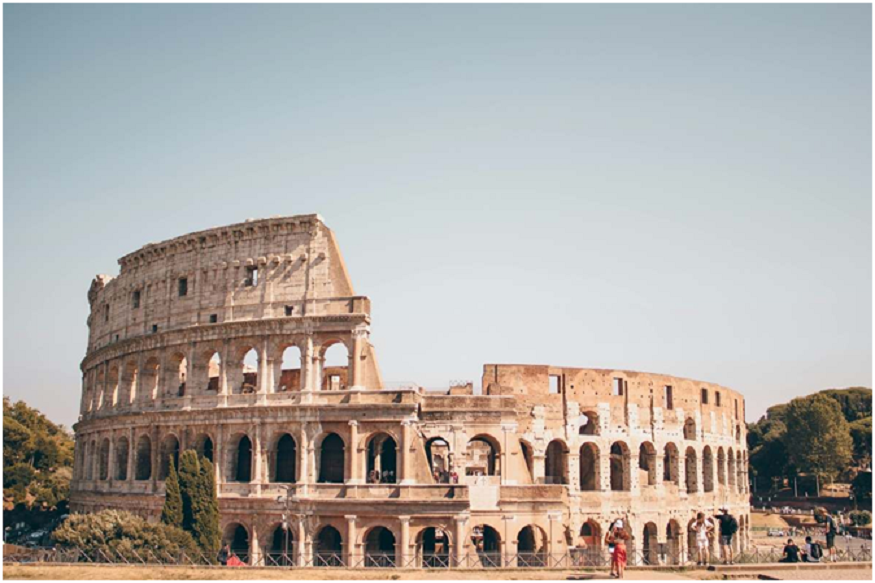
Luxury Travel in Italy: Destinations That Combine History and Elegance
A Heritage of Refinement and Cultural Continuity
Italy has long occupied a central position in the cultural imagination of refined travelers. Its landscape, shaped by millennia of artistic achievement and political transformation, offers an exceptional synthesis of historical depth and contemporary sophistication. From the vestiges of Roman civilization to the masterpieces of the Renaissance, the country presents not merely destinations but immersive experiences. Luxury travel in Italy is therefore distinguished not by ostentation, but by the subtle interplay between heritage, craftsmanship, and an enduring commitment to aesthetic excellence.
Rome and Florence: The Apex of Classical Grandeur
In Rome, the layering of epochs creates a setting where antiquity coexists with modern elegance. Exclusive accommodations often occupy restored palazzi, where original frescoes and architectural details are preserved with scholarly precision. Private access to sites such as the Vatican Museums or after-hours tours of the Colosseum exemplify the curated experiences available to discerning visitors.
Florence, by contrast, offers a more concentrated engagement with Renaissance culture. Here, luxury is expressed through proximity to artistic masterpieces and the intimacy of boutique residences overlooking the Arno. Gastronomy, too, reflects this ethos, with Michelin-starred establishments reinterpreting Tuscan traditions while maintaining fidelity to local ingredients.
Read More: Driving in Dubai: Top Rules and Regulations for Tourists
Venice: Opulence Amidst Fragility
Venice remains an unparalleled symbol of refined excess tempered by historical fragility. The city’s canals, lined with Gothic and Baroque façades, provide a setting in which exclusivity is defined by discretion rather than display. Luxury accommodations frequently occupy former noble residences, where Murano glass, antique textiles, and curated art collections create an atmosphere of cultivated intimacy.
Beyond its architectural splendor, Venice offers privileged cultural access, from private gondola journeys at twilight to exclusive viewings of artisan workshops. Such experiences emphasize continuity with a past in which commerce, art, and diplomacy were inseparably intertwined.
The Amalfi Coast: Natural Beauty and Architectural Harmony
The Amalfi Coast exemplifies the Italian capacity to integrate natural and built environments into a coherent aesthetic whole. Cliffside villas, terraced gardens, and historic monasteries repurposed as hotels create a landscape of remarkable visual harmony. Luxury travel in this region is defined by spatial privilege: panoramic views, secluded beaches, and tailored excursions along the coastline.
Culinary experiences further enhance this sense of place, with local produce—lemons, seafood, and aromatic herbs—forming the basis of a cuisine that is both simple and refined. The result is an environment in which elegance arises organically from context rather than imposition.
Sicily: Stratified Histories and Contemporary Sophistication
Sicily offers a distinct interpretation of luxury, rooted in its complex historical stratification. Greek temples, Norman cathedrals, and Baroque towns coexist within a landscape marked by volcanic activity and Mediterranean luminosity. A luxury stay in Syracuse provides a particularly compelling example of how heritage can be integrated into modern hospitality. Restored historic buildings, situated within the ancient island of Ortigia, combine architectural authenticity with contemporary comfort, allowing visitors to inhabit history rather than merely observe it.
Such experiences are complemented by a culinary tradition that reflects the island’s diverse influences, blending Arab, Spanish, and Italian elements into a sophisticated gastronomic identity.
Northern Lakes and Alpine Retreats: Discreet Exclusivity
The Italian Lakes—Como, Garda, and Maggiore—have long attracted an international clientele seeking tranquility and understated luxury. Villas set within expansive gardens, often dating to the eighteenth and nineteenth centuries, provide a setting of cultivated seclusion. Here, the emphasis is on privacy, personalized service, and the integration of leisure with cultural exploration.
Further north, Alpine resorts offer a different but equally compelling form of refinement. Combining traditional materials with contemporary design, these retreats provide access to pristine natural environments while maintaining the highest standards of comfort. Seasonal variation—skiing in winter, hiking in summer—ensures a dynamic yet consistently elegant experience.
Read More: Your first big tour: how to prepare for the road
The Enduring Appeal of Italy’s Cultural Landscape
Across the peninsula, the convergence of artistic heritage, regional diversity, and meticulous hospitality defines the essence of luxury travel. Whether exploring major urban centers or venturing into historic hill towns scattered throughout the countryside, the traveler encounters a continuity of values centered on beauty, craftsmanship, and intellectual engagement. Italy’s enduring appeal lies not in spectacle alone, but in its capacity to offer experiences that are both aesthetically and culturally resonant, reaffirming its position as a preeminent destination for those seeking a sophisticated and historically grounded form of travel.

Post Comment
You must be logged in to post a comment.